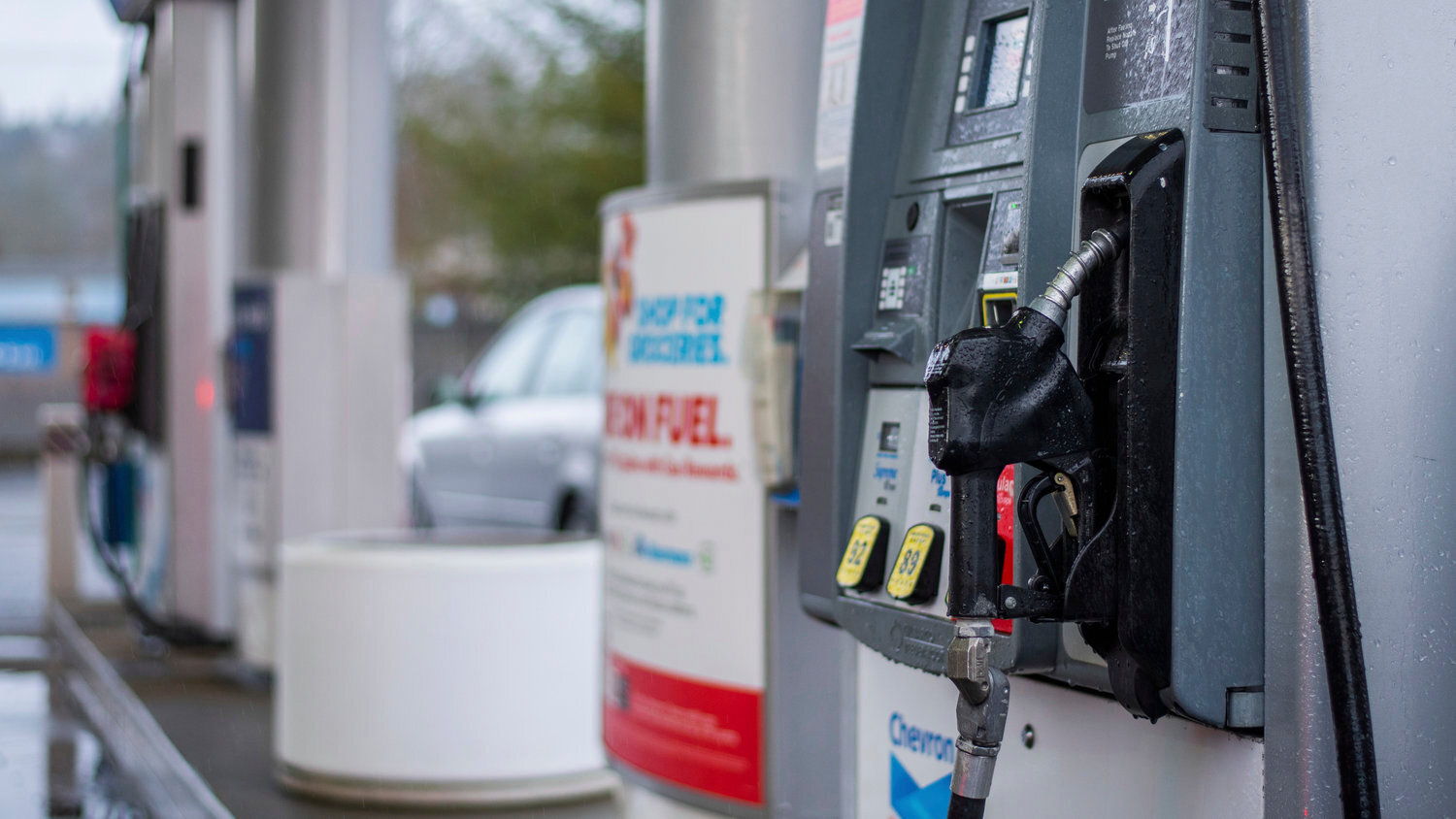
Washington state has the highest gasoline prices in the nation, with a gallon costing drivers about $1.50 more than the national average on Tuesday, according to data from AAA.
The recent price spike can be attributed, in part, to a temporarily closed pipeline in the Puget Sound region, repairs at refineries, increased gas taxes and the higher cost for summer-blend fuel.
A gallon of unleaded gas cost $4.66 on average in Washington, compared to the national average of $3.18.
Drivers in Eastern Washington pay less than those west of the Cascades, with a gallon of gas in King County costing an average of $4.88, compared to the $4.31 Spokane County drivers pay.
According to GasBuddy, an app that helps drivers find the cheapest fuel, the cost of a gallon of gas has fallen by about 3 cents on average across the country during the past week, while the cost in Washington has risen by 16.5 cents.
“While gas prices fell in more states than they rose last week, the West Coast continues to face challenges, with Oregon and Washington seeing some of the largest increases due to regional infrastructure issues,” Patrick De Haan, head of petroleum analysis at GasBuddy, said in a statement.
Washington drivers have felt the pinch in part due to the unexpected temporary closure of the Olympic pipeline, which carries refined petroleum in Western Washington 400 miles from the Canadian border to the Portland area. According to AAA, the pipeline went out of operation sometime around Sept. 2, though it is reportedly back online.
Also adding to the cost is Washington’s gas tax. As part of the transportation package adopted by the Legislature, the state gas tax increased by 6 cents to 55.4 cents per gallon on July 1. It was the first time the state’s gas tax has been adjusted since 2016.
Beginning in July 2026, the state’s gas tax will rise by 2% annually to account for inflation.
While Washington currently has the highest gas price, Marie Dodds, a public affairs director for AAA, said in a statement that drivers should “get some relief soon.”
While the cost of gas fluctuates throughout the year, drivers typically pay more during the summer months as demand increases.
Refineries have begun transitioning from summer-blend fuel to winter blend, a yearly switch that temporarily reduces a refinery’s output. Both blends are customized to offset impacts from seasonal weather.
Tuesday was the first day gas stations throughout the country could sell the cheaper winter-blend fuel under regulations from the Environmental Protection Agency. As more and more stations make the switch, drivers should begin to notice gas prices coming down.
“Gas stations can now sell winter-blend fuel, which costs less to produce, and can eventually amount to savings of 10 to 30 cents a gallon at the pumps,” Dodds said in a statement.
De Hann said he expects “that average gas prices will continue to decline in the weeks ahead in most states — assuming hurricane season remains quiet.”



