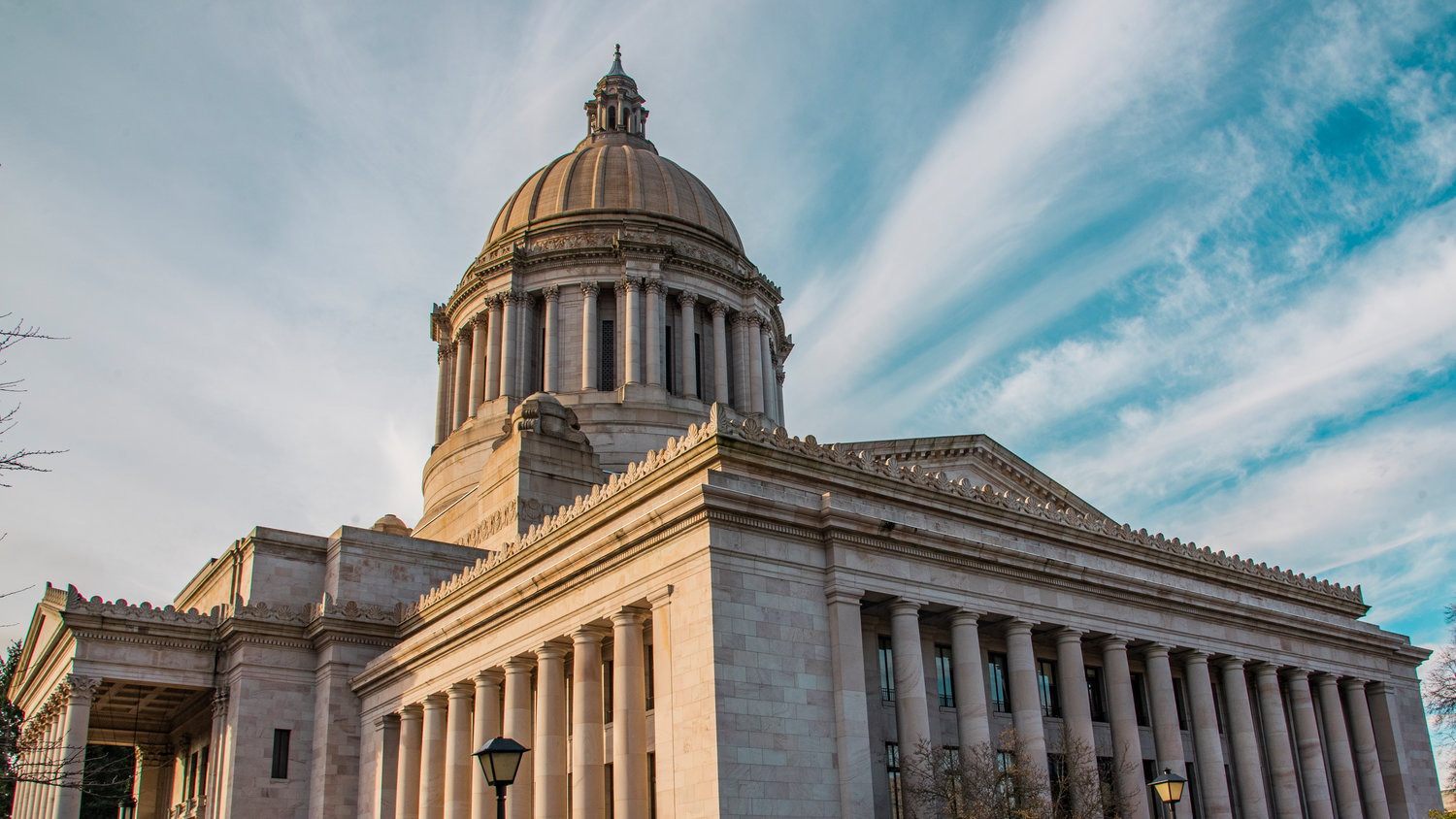
From new laws on medical debt to tax increases, and beer gardens to diaper changing station regulations, Washington lawmakers this year passed a wide variety of new bills.
A host of new laws take effect Sunday, the 90th day since the state Legislature adjourned. Most of the session was focused on lawmakers grappling with a massive estimated deficit in the state budget this session, which resulted in $9 billion in new taxes.
The focus was less on policy bills and more on finding ways to delay programs and increase revenue to patch up the budget hole.
But lawmakers did manage to pass more than 400 bills, out of nearly 2,000 bills that were introduced. Here are some of those taking effect:
Coming soon: World Cup beer gardens
House Bill 1515 allows larger outdoor public spaces to be used for dining or beer gardens. The bill’s prime sponsor, Rep. Julia Reed, D-Seattle, said the bill was brought to her by the city of Seattle as a priority as it prepares for the FIFA World Cup in 2026.
Reed said the goal for the bill is to enhance the public experience during events, particularly at places like the Seattle Center, and for other cities and counties to be able to designate more spaces for outdoor dining and beer gardens.
For example, Reed said the legislation would allow road closures to expand outdoor dining areas and beer gardens in Ballard during the World Cup, so people can roam more freely in a larger enclosed area with alcohol.
As of now, the law is set to expire at the end of 2027.
Credit reports and medical debt
Medical debt accounts for the largest source of debt reported to credit agencies, and can impact things like people’s abilities to rent apartments, buy a car or get a job. Democrats, with votes from a handful of Republicans, passed legislation this year that bans health care providers and facilities from reporting debt to credit reporting agencies, so medical debt will no longer appear on credit reports for Washingtonians.
Reduced access to credit, medical care avoidance and difficulty finding employment are just some of the repercussions from having medical debt, according to the Consumer Financial Protection Bureau. According to surveys from the health policy research group KFF, 6.5% of Washingtonians, or 380,000 people, carried medical debt, with a median debt of about $1,350.
Expanding special education services
Under current state law, special education students and services for students with disabilities are entitled to receive free public education until they are 21. With changes to state law this year, special education services and other disability services are extended to students until the end of the school year when they turn 22.
The bill was requested by state Superintendent Chris Reykdal this session and passed nearly unanimously after Washington was found to be in violation of the Individuals with Disabilities Education Act, a federal law that ensures students with disabilities are able to access a “free appropriate public education.”
Diaper changing stations
For parents who’ve had to change a baby’s diaper on the bathroom counter in a public building, this one’s for you. A new state law requires all newly constructed public buildings to include baby diaper changing stations in at least one bathroom. Existing public buildings must also include diaper changing stations if renovations cost over $15,000.
At least one changing station must be accessible in both men and women’s restrooms, or in gender-neutral bathrooms. Restrooms that do not have baby changing stations must provide clear signage to direct people to ones with changing stations. The new state law is similar to one that’s been in place for federal buildings since 2016.
Preventing cruelty to animals
Cockfighting has been illegal in Washington since 1901, but it remains a problem that lawmakers tried to address this year. A new law broadens existing animal cruelty and animal fighting laws already on the books.
Animal fighting is now expanded to include people who aid or abet in the offense. Those convicted of animal fighting involving mutilation will be permanently prohibited from owning, caring for or living with animals, and penalties will be boosted for first and repeat violations of the law.
The new law also targets people who live with an animal that is being neglected but who fail to intervene. Those who “willfully instigate” acts of animal abuse are also added in an expanded definition of animal cruelty. Penalties for animal abuse vary depending on the severity of the abuse or neglect, but changes in the new law prohibit those convicted of first degree animal cruelty from owning, caring for or residing with animals.
Officers also have increased the ability to intervene if they believe an animal is in imminent danger under the new law.
© 2025 The Seattle Times. Visit www.seattletimes.com. Distributed by Tribune Content Agency, LLC.



