
Current conditions unavailable

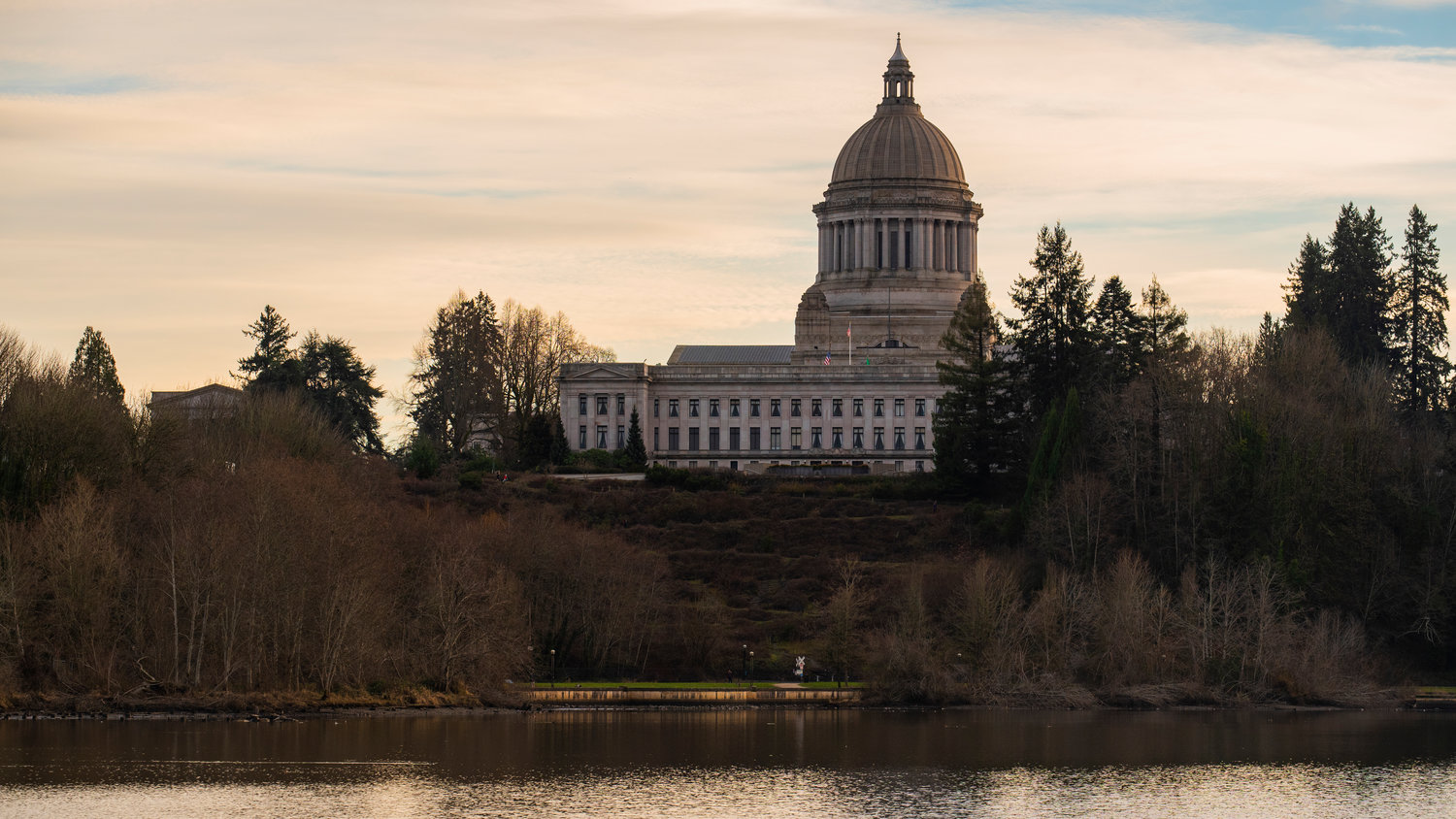
If you haven't had time to read the entire 1,366-page $78 billion operating budget bill released in its finality on Saturday, you are not alone.
The public, and even some state lawmakers, had only about a day to review the plan before Democrats quickly passed it out of both chambers before they adjourned Sunday.
While we're still reviewing the finer details of the final budget, which now awaits a signature or a veto from Gov. Bob Ferguson, here are five takeaways:
More than $9 billion in taxes were added
Democrats landed on a new $9.4 billion revenue plan for the next four years, hiking taxes on capital gains, excise taxes and emission credits.
House Bill 2081, which cleared by narrow margins, increases the business and occupation tax for activities such as manufacturing, gambling, retailing and radioactive waste cleanup. It also applies an additional 0.5% surcharge on businesses with taxable income over $250 million — a provision that expires in 2029. The tax is estimated to bring in over $5.6 billion in the next four years.
Senate Bill 5814, which also passed with tight votes, does several things including adding a new B&O surcharge on certain services such as temporary staffing services and website development. The bill makes products that contain nicotine, like Zyn tobacco-free nicotine pouches, subject to the state's tobacco tax, and creates an additional tax on cigarettes. The taxes are estimated to bring in roughly $2.6 billion over four years.
Senate Bill 5813 increases taxes on capital gains by adding an additional 2.9% tax on capital gains over $1 million. Rates on taxable estates are also increased. The increases are estimated to bring in about $636 million in four years, and will increase funding to the Education Legacy Trust Account as well as the Common School Construction Account.
Senate Bill 5794 repeals tax carve-outs outlined by the Joint Legislative Audit and Review Committee for things like prescription drug resellers and gold bullion. The repeal of the tax preferences is estimated to collect $385 million in four years.
Also included is a measure aimed at Tesla, which would add a new tax to emission credits that are banked or sold by electric vehicle manufacturers. The bill was fast-tracked through the legislative process during the remaining days of the session, and is estimated to bring in more than $55 million, according to the Washington Research Council.
Although a tax on the state's wealthiest individuals was floated early in the session, that tax did not come to fruition this year. The Senate took what's seen as a symbolic vote on the tax Sunday and approved it, but it did not get a vote in the House. The measure is sure to be back in play next session, or even sooner if there's a special session or an initiative.
A proposal to allow local governments to adjust the 1% property tax lid was also nixed this year, along with a payroll tax on high salaries at the state's biggest companies, similar to Seattle's JumpStart tax.
Total spending went up despite shortfall
Even with an estimated $16 billion budget shortfall over the next four years, spending went up by more than 8% compared with the current 2023-25 operating budget, totaling an increase over nearly $6 billion in the 2025-27 biennium.
That's a marked increase from the budget passed by state lawmakers a decade ago, which totaled a modest $38.2 billion in spending in the 2015-17 biennium.
The state budget over time
Washington lawmakers are required to balance the state operating budget over a four-year period. The below figures reflect the specific funds within the budget subject to that requirement, including the state's general fund, the single largest pot of state money. However, it doesn't reflect every dollar spent by the state. For example, it leaves out money raised by auctions for greenhouse gas emission credits, and money for capital spending and transportation projects.
Source: Legislative Evaluation and Accountability Program (LEAP) Committee, Office of Financial Management (Frank Mina / The Seattle Times)
A good chunk of increased spending will go to state workers, who collectively bargained for a 5% increase in general wages over the next two years, with a 3% increase the first year and 2% increase the second. According to state budget writers, the funding provides about $1.6 billion over five years for general government and higher education state employee compensation combined.
While lawmakers initially proposed transferring funds from the state's rainy day account, they ditched that idea in their final plan. Still, funds from other state accounts will be transferred into the operating budget in the 2025-27 biennium.
There were a lot of cuts
Despite Democrats' focus on abortion access for both in-state and out-of-state patients in previous years, the latest budget takes a deep 55% cut to the Abortion Access Project, a program designed to maintain staffing at health facilities and absorb patient costs.
Planned Parenthood called the move "disappointing" in a news release, noting that many of the candidates it endorsed who made campaign promises to protect abortion services voted for the cuts.
Lawmakers eliminated funding for Early ECEAP, part of the Early Childhood Education and Assistance Program, which primarily serves low-income families. Sen. June Robinson, D-Everett, chair of the Senate Ways and Means Committee, said the structure remains so that lawmakers can add money back to the program in the future. Entitlements are also delayed for ECEAP and there were additional adjustments to the number of slots available for the program.
Lawmakers also saved money in the budget by reducing or eliminating funding for programs like mentoring services for foster youth and the career and college pathways and subscriptions and licenses at certain agencies.
... but there were also some boosts
Legislators updated funding for Medicaid, giving a boost for costs associated with assisted living and nursing homes in the next biennium budget. Medicaid funding for assisted living and nursing homes were previously determined by 2022 costs, according to the Washington Health Care Association.
Lawmakers also passed increased funding for materials, supplies and operating costs at schools around the state, while also passing bipartisan legislation to significantly fund special education.
And, information technology services will see $130 million over the next few years, with a majority of the funding going to One Washington, a project to "modernize the enterprise administrative functions for finance, procurement, budget, human resources and payroll" in the state. In 2026, alone, the project will get just over $100 million. Sen. Chris Gildon, R-Puyallup, ranking member on the Senate Ways and Means Committee, said he had concerns with the funding because IT projects can be "very expensive" and come in behind schedule "all the time."
All eyes are on Ferguson now
In a marked departure from previous governors, Ferguson did not hold a postsession news conference Sunday, opting to release a statement saying he will "carefully" review the budget and revenue increases in the coming weeks.
The governor has been tight-lipped about whether he will support everything that's in the budget, or whether he will support the package of new taxes that are included. He noted that the Legislature included some of his proposed $4 billion in cuts while maintaining the rainy day fund.
Ferguson rejected earlier tax proposals from state Democrats — a $21 billion initial tax package and later $12 billion — calling them "too risky," before lawmakers finalized the $9.4 billion plan.
Ferguson has 20 days from the passage of the budget to sign it as is, veto it altogether, or line-item veto certain aspects he does not approve of.
© 2025 The Seattle Times. Visit www.seattletimes.com. Distributed by Tribune Content Agency, LLC.


